
The Growth of a New Moral Vocabulary
Quo VadisThis theme traces how Christian words such as love, forgiveness, and mercy acquire practical force in Roman life.
increasing Bearing strength in each event
 decreasing
Bearing strength in each eventdecreasingLove Defined

Love Defined
A demanding ethic
Paul describes love as patient, enduring, and opposed to revenge, pride, and exploitation.
A challenge to Rome
The teaching asks Romans to extend concern beyond family, class, and nationality.
Forgiveness Made Visible

Forgiveness Made Visible
A lived command
The community forgives Chilo even after learning how he harmed Glaucus and endangered others.
Doctrine becomes evidence
Vinicius sees that Christian teaching changes action, not merely vocabulary or philosophical argument.
Mercy in a Household

Mercy in a Household
A master changes conduct
Vinicius releases long-serving slaves and forgives others, acting on lessons learned from the Christians.
A stronger bond
He observes that gratitude produces service more willing than terror does.
Mercy in the Arena
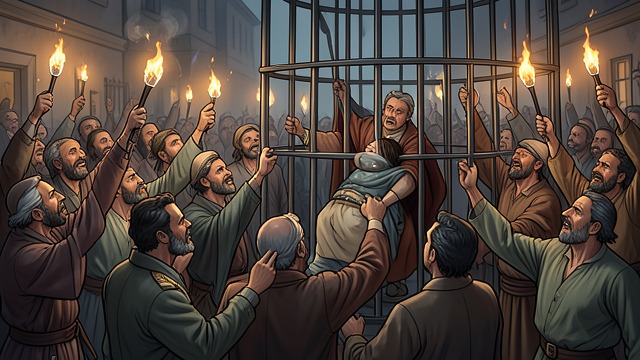
Mercy in the Arena
Compassion interrupts violence
The crowd responds to Ursus’s rescue and Lygia’s vulnerability by demanding mercy instead of another death.
Public feeling changes direction
A spectacle designed to delight in cruelty briefly becomes an act of collective protection.
Mercy Beyond the Grave

Mercy Beyond the Grave
A late return remains possible
Paul tells Chilo that Christ’s mercy is vast enough to receive a betrayer who repents.
Hope replaces condemnation
The narrative’s moral vocabulary makes transformation possible even at the edge of death.
During Paul’s conversations with Vinicius in Antium
When Glaucus and the Christians spare Chilo
After Vinicius returns to his home
When the crowd demands that Lygia live
At Chilo’s final conversion
